
Get Film Fixer in Kenya Now
Need help with permitting, local crews, or equipment customs? Get in touch with our local team.
Filming in Kenya: How to Film Successfully
Filming in Kenya is an easy and straightforward process. You get the perfect locations, good weather, easy government application procedures and a vast number of skilled videographers and producers to work with. Equipment is easily accessible, and the Kenya Film Commission (KFC) is working to see that Kenya's film industry is recognized as a potential employer and a main contributor to the economic growth of the country. Below is a detailed guide to help you plan your filming in Kenya.
Permit Processing Time
48 Hours - 2 Days (Avg)
Ease of Filming
- EasyBest Times to Film
June - October, December - February
Kenya's Filming Requirements: A Step by Step Guide
1. Apply For Filming Permit

To film in Kenya, start by applying for a filming permit. You will need to write a letter to Kenya Film Classification Board requesting for the permit. Fill an application form and submit it to KFCB offices at Nairobi Cinema through an approved local film agent accompanied by the following documents:
- a) A synopsis and screenplay for applications for short films, TV series, and full-length feature film.
- b) A synopsis, screenplay, treatment, script outline, running order or storyboard for applications for documentary, TVC/ advertisement, music video, corporate video, infomercial, travelogue, docudrama, testimonial, feature etc.
Filming permits for TV Series and full-length feature films are processed within 48 hours upon receipt of a complete application whereas permits for short productions are processed within 10-25 minutes. It's a transparent and easy process. You can get a the application template from the downloads section of this guide.
2. Obtain A Special Pass
International filmmakers intending to undertake filming activities in Kenya are required to obtain Special Passes from the Department of Immigration Services.
This is authorization issued to a foreigner who wishes to enter and remain in Kenya for a period not exceeding 6 months, for the purpose of temporarily conducting business, trade, or profession. It costs $200/ month and is gratis for East African Community Member States.
3. Pay Customs and Import Duty
In the national budget of 2009, Kenya removed the import duty on Television Cameras, Digital Cameras and Video Camera Recorders. They also grant a one hundred percent (100%) Investment deduction on Capital Expenditure incurred by a film producer or purchase of any filming equipment.
Filming equipment may be allowed into the country on a temporary basis. The importer must make an application to the Commissioner of Customs for permission to enter the equipment on temporary importation and:
a) Undertake to export the equipment within such period not exceeding twelve months from the date of importation. However, this period may be extended on application to the Minister for Finance through the Commissioner of Customs.
b) Pay a non-refundable fee of 1% of the value of the goods or KES 30,000 (~ $250) whichever is lower to Kenya Revenue Authority.
4. Apply For ETA Visa
All visitors including infants and children who intend to travel to the Republic of Kenya must have an approved Electronic Travel Authorization (eTA) before the start of their journey. Applicants shall visit the eTA website to make applications.
All travelers must apply and pay for an ETA at least three days before their trip to Kenya, unless they are citizens of an exempted country. All African countries are exempt apart from Libya and Somalia.
5. Find Licensed Film Agent
All expatriate filmmakers MUST be facilitated by a Local Film Agent. In this regard, the Kenya Film Classification Board (KFCB) Accredits Local Film Producers as agents, who will facilitate film permit applications and assist you with location scouting, transport, hotel reservation, film outsourcing. VideoPro Africa finds and vets film producers on your behalf. Contact the best video producers in Kenya that can assist you with all filming needs.
6. Kenya Wildlife Services (If Needed)
Filming in National Parks and National Reserves is managed by Kenya Wildlife Services (KWS). The service has the overall responsibility for administration, regulation and co-ordination of all transactions in wildlife and their products.
Visit KWS Website for more information. The permit costs about KES 20,000. Your application will include the application letter, the Film Agents' license and KFCB film permit.
Film Permit Filming Fees (In KES)
(i) Documentaries; short dramas; short features ……5,000.00
(ii) Full-length feature film; TV Series……15,000.00
(iii) Filming fees per day………………1,000.00
(iv) Film Agent Registration……………….12,000.00
(v) Annual Film Agent renewal …………….12,000.00
Kenya's Popular Locations
Kenya is a country full of different and beautiful places ideal for filming. It has beaches on the coast with palm trees, white sand, coral reefs, and swampy river areas. Then there’s Tsavo, a huge wild place with flat grasslands, hills, volcanoes, and awesome waterfalls called Lugard Falls.
See a list of our filming locations in Kenya
Is Filming in Kenya Safe?
The production must follow the law to keep everyone safe and healthy by taking practical steps, following rules like The Occupational Safety and Health Act, 2007 (OSHA). A medic or someone trained in first aid must always be on set during filming. The production needs to provide proper protective clothing for the cast and crew when needed. If explosives are used, they must be supervised by the Directorate of Mines, Explosives Inspectorate. If fire is used, it must be managed by the Disaster Management Departments in the local County Governments.
Filming Wildlife in Kenya
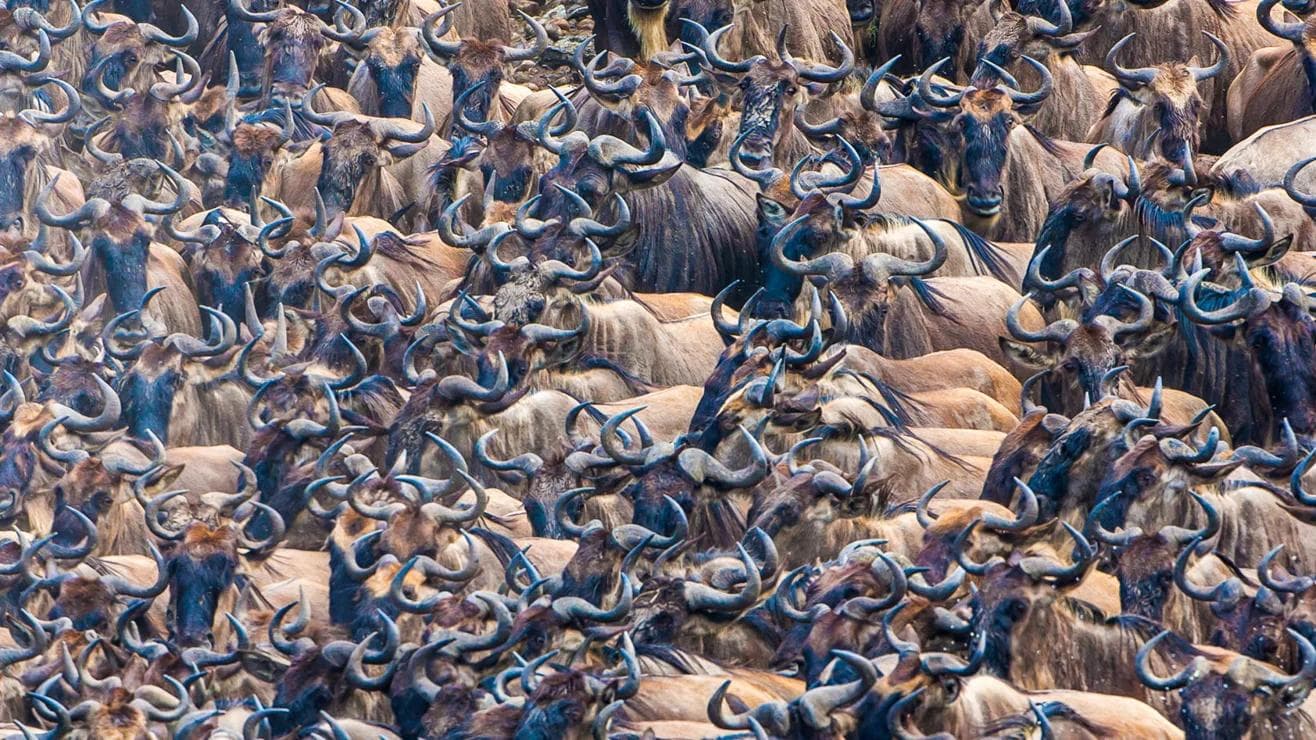
To film wildlife in Kenya’s National Parks, you need a permit from the Kenya Film Commission, submit a letter, form, script, and schedule. It costs Ksh. 5,000 ($50) for small projects or Ksh. 15,000 ($150) for bigger ones, processed in a few days.
You also need a Kenya Wildlife Service (KWS) permit:
- Ksh. 8,000 ($80) for up to 5 people,
- Ksh. 12,000 ($115) for 6-10, or
- Ksh. 20,000 ($200) for over 10, for a week.
Foreign crew require an Immigration special pass, around Ksh. 2,000 ($20) each.
Park entry fees are about $70/day per person, plus Ksh. 400 ($4) daily for a liaison officer.
Equipment fees are 1% of its value or Ksh. 30,000 ($300), whichever is less. Apply online or in person and pay the fees.
Filming with Drones in Kenya
Under Civil Aviation regulations, you must first receive operation approval from the Ministry of Defence. Once approved, you must apply to the Kenya Civil Aviation Authority by emailing rpas@kcaa.or.ke to obtain the appropriate importation and registration application form.
More About Visas and Work Permits
Foreigners planning to visit Kenya need to apply for an Electronic Travel Authorization (eTA) before they arrive, unless they’re from an East African Community country. You do this online at www.etakenya.go.ke.
You need a passport valid for at least 6 months, your flight details, and where you’re staying (like a hotel booking or an invitation letter if with friends). It costs $30, paid by card, and takes about 3 days to get approved, so don’t leave it to the last minute. If you’re coming from a place with yellow fever risk, you’ll also need a certificate showing you’re vaccinated. Once you get the eTA, print it or keep it on your phone to show when you land.
Filming in Public Places
Kenya’s making it simpler to film in public by getting rid of fees for shooting in places like the Central Business District (CBD) and towns. You don’t have to pay anything extra to use your camera on streets or in open public areas now. It’s a move to help filmmakers, whether local or from outside, so they can record everyday life in Kenya.
You still need a filming license from the Kenya Film Commission (KFC) and will handle safety yourself. Think of hiring private security if there’s a crowd to keep things under control.
Kenya's Unique Weather
Kenya’s weather is pretty varied because of its geography, and that’s what makes it stand out for filming. It sits on the equator, so it's just wet and dry seasons.
The coast, like Mombasa, is hot and humid all year, with temperatures around 25-30°C (77-86°F), perfect for beach shoots with steady sunlight. Inland, places like Nairobi sit higher up at 1,700 meters (5,577 feet), so it’s cooler, averaging 20-25°C (68-77°F), and feels mild most days.
The dry season (June to October) brings clear skies and less rain, while the wet seasons (March to May and October to December) can mean muddy roads but lush, green landscapes.
Up north, it’s arid and hot, hitting 35°C (95°F) or more, and in the highlands like Mount Kenya, it drops to 10-15°C (50-59°F) with even some snow at the top.
Kenya's Filming Checklist
Common Languages
- English
- Swahili
- Sheng (slang)
Kenya's Government Agencies
Application Template Downloads
Video Production in Kenya
Video About Filming in Kenya
Contact VideoPro to Help You with Filming in Kenya
Frequently Asked Questions
The most commonly asked questions about filming in Kenya
What are the most popular filming locations in Kenya?
Some of the most popular filming locations in Kenya include Maasai Mara National Reserve, Tsavo East and West National Parks, Nairobi National Park, and Lamu Island.What are the best times of year to film in Kenya?
The best times of year to film in Kenya are usually between January and March, and between June and October, when the weather is dry and sunny.Are there local production companies in Kenya that I can hire?
Yes, there are several local production companies in Kenya that offer a wide range of services, including location scouting, equipment rental, casting, and crew hiring.What kind of equipment is available for rental in Kenya?
There are several rental companies in Kenya that offer a wide range of equipment, including cameras, lenses, lighting, and sound equipment. It is recommended to consult with a local production company or a production service provider for assistance with equipment rental.What permits do I need to obtain to film in Kenya?
Depending on the nature of your project, you may need to obtain permits from several authorities, including the Kenya Film Commission, the Ministry of Tourism and Wildlife, and the Kenya Wildlife Service. It is recommended to consult with a local production company or a production service provider for assistance with obtaining the necessary permits.Are there any tax incentives for filming in Kenya?
Yes, there are tax incentives available for film productions in Kenya, including a 30% cash rebate incentive for productions that meet certain criteria. It is recommended to consult with the Kenya Film Commission for more information on the available incentives and eligibility criteria.We are making video production easy in Africa